
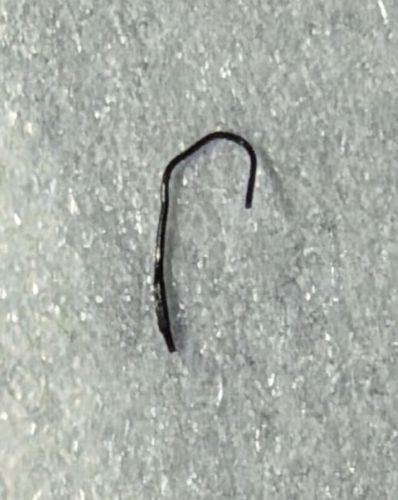
Horsehair Worm (also known as Gordian Worm)
Phylum Nematomorpha (various species, e.g., Gordius spp.)
- Order & Family
- Order: Gordioidea, Family: Gordiidae (primarily)
- Size
- Typically 4 to 14 inches (10-35 cm) long, but extremely thin (about 1/25 inch or 1mm in diameter).
Natural Habitat
Adults are free-living in freshwater sources like puddles, troughs, swimming pools, livestock water tanks, and streams. Larvae are parasitic inside terrestrial arthropods like crickets and cockroaches.
Diet & Feeding
Adults generally do not feed; they rely on stored energy. The parasitic larvae absorb nutrients directly from their insect hosts (e.g., crickets, grasshoppers, beetles).
Behavior Patterns
They exhibit a parasitic lifecycle where larvae develop inside an insect host. When the worm matures, it manipulates the host to seek water, at which point the worm bursts out of the host to mate and lay eggs. They often twist into intricate knots (hence 'Gordian worm').
Risks & Benefits
Risks: Harmless to humans, pets, and plants; they cannot infect people. Benefits: They are beneficial as biological controls because they parasitize and kill pest insects like roaches, grasshoppers, and crickets.