
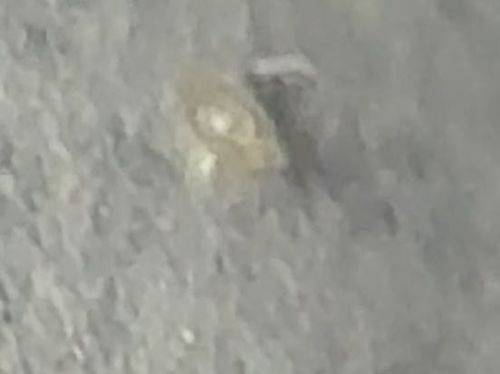
Plaster Bagworm (or Household Casebearer)
Phereoeca uterella
- Order & Family
- Order: Lepidoptera, Family: Tineidae
- Size
- Larval case is usually 8-13 mm (approx. 0.3-0.5 inches) long.
Natural Habitat
Typically found indoors in climate-controlled environments. They thrive in high humidity areas like bathrooms, garages, closets, and underneath furniture where dust accumulates. They are often seen on walls, baseboards, and carpets.
Diet & Feeding
They feed on spider webs, old insect skins, wool, animal hair/fur, and general household dust and lint. They are detritivores.
Behavior Patterns
The most notable behavior is that the larvae carry a flattened, pumpkin-seed-shaped case around with them, which they construct from silk and household debris (lint, sand, paint chips). The larva can stick its head and legs out of either end of the case to move or feed. They eventually pupate inside this case.
Risks & Benefits
Risks: Generally harmless to humans and pets (no biting or stinging). However, they can be minor pests if they damage wool clothing or rugs, though this is less common than damage from clothes moths. Benefits: They function as minor decomposers by eating old spider webs and dead insects.