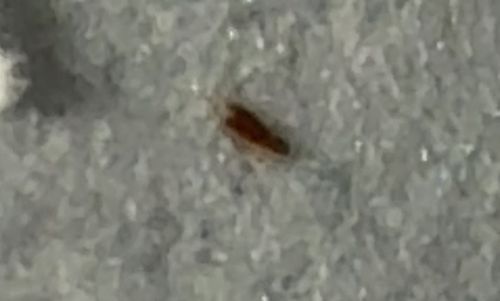
Cat Flea (or Dog Flea)
Scientific Name: Ctenocephalides felis (or Ctenocephalides canis)
Order & Family: Siphonaptera (Order), Pulicidae (Family)
Size: 1.5 mm to 3.3 mm in length
Natural Habitat
They live on the bodies of mammals (primarily cats and dogs) and in areas where these pets sleep or rest, including carpets, bedding, and upholstery.
Diet & Feeding
Adults feed exclusively on the blood of their host animals (haematophagy). Larvae feed on organic debris, particularly the feces of adult fleas which contain undigested blood.
Behavior Patterns
Fleas are excellent jumpers due to their powerful hind legs. They reproduce rapidly; a female can lay up to 50 eggs per day. They are parasitic and spend most of their adult life on the host, though eggs and larvae develop in the environment (carpet, bedding).
Risks & Benefits
Risks: Their bites cause itching, irritation, and allergic dermatitis in pets and humans. They can transmit tapeworms (Dipylidium caninum) and diseases like cat scratch disease (Bartonella henselae) and murine typhus. Benefits: None significant to humans or pets; they are considered a pest.
Identified on: 3/2/2026