Common House Dust Mite
Scientific Name: Dermatophagoides pteronyssinus
Order & Family: Order: Sarcoptiformes, Family: Pyroglyphidae
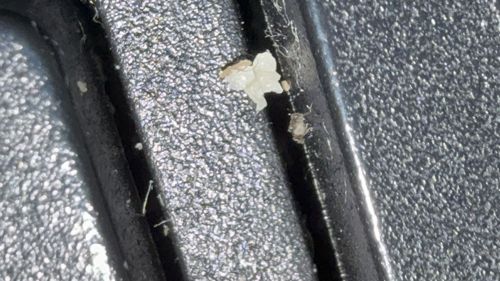
Size: 0.2–0.3 mm in length (barely visible to the naked eye; the white speck in the image likely represents a cluster of debris or a concentrated group).
Natural Habitat
Typically found indoors in high-humidity areas, especially in bedding, upholstered furniture, carpets, and curtains where human skin cells accumulate.
Diet & Feeding
Primarily feeds on dander (dead skin cells) shed by humans and pets, as well as some molds.
Behavior Patterns
They prefer warm (70°F or higher) and humid (70-80% relative humidity) environments. They do not bite but produce fecal pellets and enzymes that become airborne.
Risks & Benefits
Risks: Major trigger for asthma and allergic reactions (rhinitis, eczema) in sensitive individuals. Benefits: Play a minor role in ecosystems by breaking down organic detritus and dander.
Identified on: 1/6/2026