
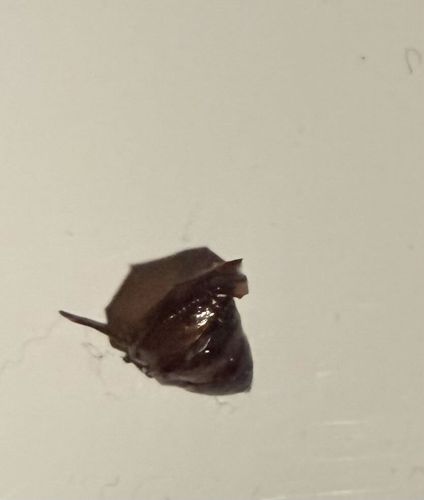
Buffalo Treehopper (Nymph phase)
Stictocephala bisonia
- Order & Family
- Hemiptera: Membracidae
- Size
- 6mm to 8mm (Adults); Nymphs vary by instar but are generally smaller.
Natural Habitat
Found on various host plants including fruit trees, vines, and shrubs across North America and parts of Europe.
Diet & Feeding
Herbivorous. These insects use piercing-sucking mouthparts to feed on the sap of various woody and herbaceous plants.
Behavior Patterns
Nymphs are known for their bizarre, spiky appearance (often called 'alien-like') which helps in camouflage. Adults are strong jumpers and fliers. Females lay eggs in slits cut into the bark of twigs, which can cause minor damage to small branches.
Risks & Benefits
Generally considered a minor agricultural pest. Their egg-laying can lead to 'flagging' or dieback of small twigs on fruit trees and grapevines. They provide no direct risk to humans (non-venomous and do not bite). They serve as a food source for birds and predatory insects.