
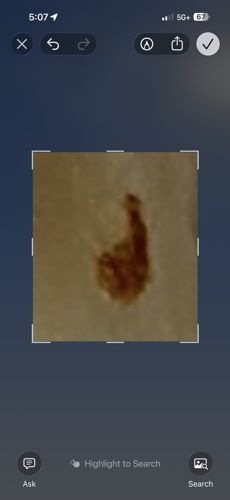
Plaster Bagworm (or Household Casebearer)
Phereoeca uterella
- Order & Family
- Order: Lepidoptera, Family: Tineidae
- Size
- Larval case is approximately 8 to 13 mm (0.3 to 0.5 inches) long.
Natural Habitat
Typically found indoors in warm, humid climates, especially on stucco, plaster, brick, or wood walls. They are common in garages, closets, and underneath furniture.
Diet & Feeding
Larvae feed on spider webs, old silk, woolen fibers/clothing, human hair, pet fur, and dead insect parts. They generally feed on organic debris found in household dust.
Behavior Patterns
The larva constructs a flattened, pumpkin-seed-shaped case made of silk and debris (like sand, soil, or paint chips) that serves as camouflage and protection. It drags this case around as it moves. The larva eventually pupates inside this case.
Risks & Benefits
Generally harmless to humans and pets as they do not bite or sting. They are considered minor household pests due to unsightly cases on walls and potential damage to woolen fabrics or rugs, although damage is usually minimal compared to clothes moths.