
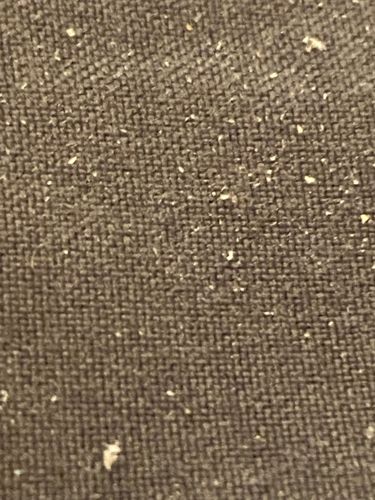
Dust Mite
Dermatophagoides farinae / Dermatophagoides pteronyssinus
- Order & Family
- Order: Sarcoptiformes; Family: Pyroglyphidae
- Size
- 0.2–0.3 mm (too small to be seen clearly by the naked eye; the white specks in images are typically skin flakes, lint, or debris associated with them).
Natural Habitat
Typically found in indoor environments, specifically in soft materials such as mattresses, pillows, carpets, upholstered furniture, and clothing where human skin cells accumulate.
Diet & Feeding
Primarily feeds on dander (dead skin cells) shed by humans and pets, as well as some types of indoor fungi and bacteria.
Behavior Patterns
They thrive in warm, humid conditions (70-80% humidity) and avoid light by burrowing deep into fabric fibers. They follow a life cycle of egg, larva, protonymph, tritonymph, and adult over about 3 to 5 weeks.
Risks & Benefits
Risks: Major source of indoor allergens; their waste products and decaying body parts can trigger asthma, eczema, and allergic rhinitis in sensitive individuals. Benefits: None to humans; they act as microscopic scavengers in the ecosystem by breaking down organic detritus.