
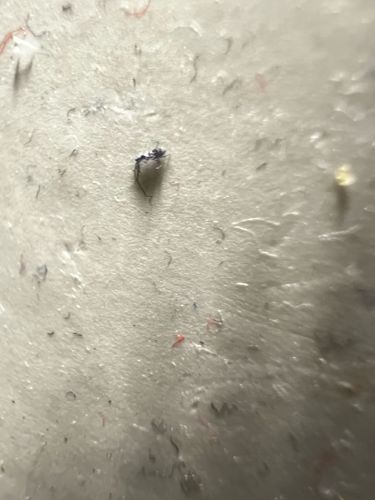
Community identification
Flea
Siphonaptera (order)
- Order & Family
- Order: Siphonaptera; Family: Pulicidae (common family)
- Size
- 1.5 to 3.3 mm in length
Natural Habitat
Found on the bodies of warm-blooded hosts (mammals and birds) or in their bedding, carpets, and floor cracks.
Diet & Feeding
Hematophagous; adults feed exclusively on the blood of their hosts. Larvae feed on organic debris and adult flea feces ('flea dirt').
Behavior Patterns
Wingless and laterally flattened to move easily through fur or feathers. They are known for their powerful hind legs which allow them to jump great distances onto hosts. They undergo complete metamorphosis: egg, larva, pupa, and adult.
Risks & Benefits
Risks: Can cause flea allergy dermatitis, transmit tapeworms, and are vectors for diseases such as bubonic plague and murine typhus. Benefits: Minimal ecosystem benefit, primarily serving as a food source for some predatory insects.