
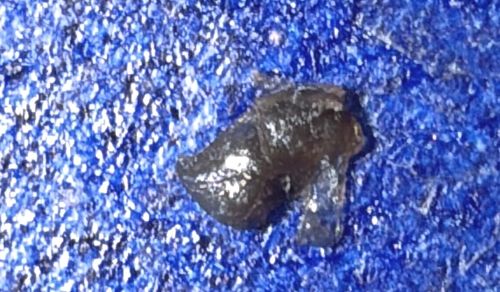
Flea
Siphonaptera (Order)
- Order & Family
- Order: Siphonaptera, Family: Pulicidae (common family impacting humans and pets)
- Size
- 1.5 to 3.3 mm (approx. 1/16 to 1/8 inch) in length
Natural Habitat
Fleas thrive in warm, humid environments and are typically found on the bodies of mammals (dogs, cats, humans, rodents) or in their bedding, carpets, and cracks in floors.
Diet & Feeding
Adults are hematophagous, meaning they feed exclusively on the blood of their bird or mammal hosts. Larvae feed on organic debris, including dried blood feces from adult fleas.
Behavior Patterns
Fleas are known for their jumping ability, capable of leaping vertically up to 7 inches and horizontally up to 13 inches to find a host. They have a four-stage life cycle: egg, larva, pupa, and adult.
Risks & Benefits
Fleas are significant pests. Their bites cause itching and allergic reactions (Flea Allergy Dermatitis). They can transmit diseases such as plague, murine typhus, and parasites like tapeworms.