Bird Mite (or Rodent Mite)
Scientific Name: Ornithonyssus spp. (e.g., Ornithonyssus sylviarum)
Order & Family: Order: Mesostigmata; Family: Macronyssidae
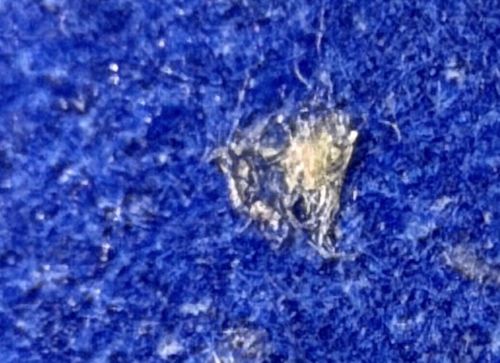
Size: Very small, approximately 0.5 to 1 mm in length (barely visible to the naked eye); transparent to white when unfed, turning reddish-brown to black after a blood meal.
Natural Habitat
Typically found in bird nests (poultry, pigeons, sparrows) or rodent burrows. They enter homes when their primary host leaves or dies, often congregating near windows, ducts, or cracks in walls.
Diet & Feeding
Hematophagous (blood-feeding); they primarily feed on the blood of birds or rodents but will bite humans and pets opportunistically if their primary hosts are unavailable.
Behavior Patterns
They are nocturnal and active, capable of crawling rapidly. Unlike ticks, they do not attach for long periods but take a quick blood meal and retreat. Their populations can explode quickly, leading to infestations appearing suddenly.
Risks & Benefits
Risks: They are a significant nuisance pest, causing intense itching, skin irritation, and rashes in humans (sometimes called gamasoidosis). While their bites are irritating, they are generally not known to transmit diseases to humans, though secondary infections from scratching are possible. Benefits: None in a residential context.
Identified on: 2/20/2026