Mold Mite
Scientific Name: Tyrophagus putrescentiae
Order & Family: Order: Sarcoptiformes, Family: Acaridae
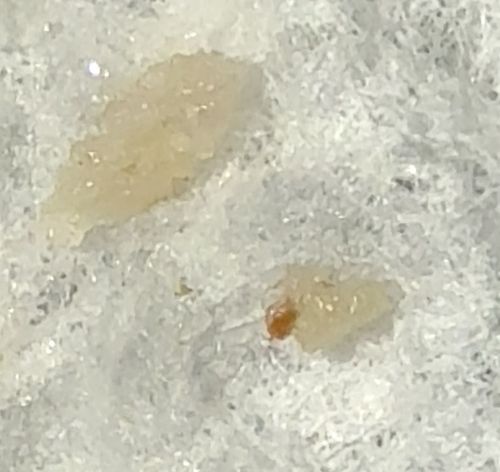
Size: Extremely small, usually 0.3mm to 0.7mm in length. Often only visible to the naked eye as 'moving dust'.
Natural Habitat
High-humidity environments rich in fungi or decaying organic matter. Commonly found in kitchens, pantries (grain, cheese, cured meats), and bathrooms where mold growth is present.
Diet & Feeding
Primarily feeds on mold and fungi (such as Penicillium and Aspergillus), but also infests high-fat and high-protein stored foods like cheese, ham, nuts, and seeds.
Behavior Patterns
They do not bite or suck blood but multiply rapidly in humid conditions. They are photophobic (avoid light) and seek out moist areas. When populations explode, they can cover surfaces in layers that look like shifting brown or white dust.
Risks & Benefits
Generally harmless to humans in terms of direct bites, but they are a common allergen and can cause respiratory issues or dermatitis (grocer's itch) in sensitive individuals. They contaminate food and indicate potential mold problems in the home.
Identified on: 2/25/2026