
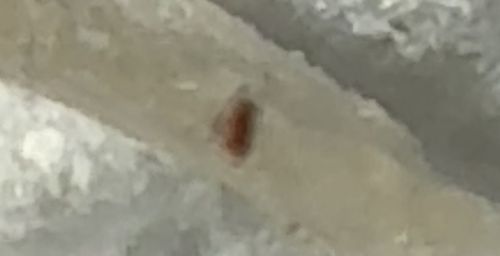
Bed Bug
Cimex lectularius
- Order & Family
- Order: Hemiptera, Family: Cimicidae
- Size
- Adults are approximately 4-5 mm (about 3/16 inch) long; nymphs are smaller, ranging from 1.5 to 4 mm.
Natural Habitat
Found indoors, primarily in bedrooms around sleeping areas. They hide in cracks and crevices of bed frames, mattresses, box springs, headboards, and furniture during the day.
Diet & Feeding
Hematophagous (blood-feeders). They feed exclusively on the blood of warm-blooded animals, with humans being their preferred host.
Behavior Patterns
They are nocturnal and elusive, emerging at night to feed on sleeping hosts. They do not fly or jump but crawl quickly. Their life cycle includes egg, five nymphal stages (each requiring a blood meal to molt), and adult.
Risks & Benefits
Risks: Bed bugs cause itchy, red welts on skin, can cause anxiety, insomnia, and secondary skin infections from scratching. They are challenging and expensive to eradicate. Benefits: None known for humans or household ecosystems.