
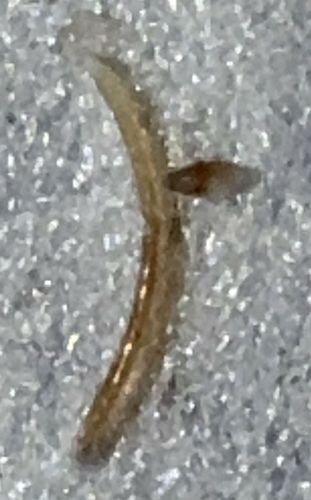
Flea Larva
Ctenocephalides felis (most common)
- Order & Family
- Order Siphonaptera, Family Pulicidae
- Size
- 2 to 5 mm long (approx. 1/16 to 3/16 inch)
Natural Habitat
Found in dark, protected areas where pets sleep or frequent, such as deep in carpet fibers, bedding, cracks in floorboards, or upholstery.
Diet & Feeding
Scavengers that feed on organic debris, particularly 'flea dirt' (dried blood excreted by adult fleas), dead skin cells, and other organic matter found in dust.
Behavior Patterns
They exhibit negative phototaxis (they avoid light) and burrow deep into carpets or crevices. They molt through three larval stages before spinning a cocoon to pupate.
Risks & Benefits
Risks: They are a clear sign of an active flea infestation. While larvae do not bite humans or pets, they mature into blood-sucking adults that cause itching, allergic reactions, and can transmit tapeworms and diseases. Benefits: None in a domestic setting.