Springtail
Scientific Name: Collembola (subclass)
Order & Family: Order: Entomobryomorpha or Poduromorpha; Family: Varies (often Isotomidae or Entomobryidae)
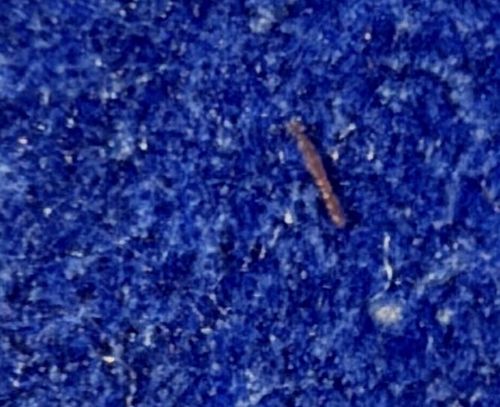
Size: Very small, typically less than 6 mm (1/4 inch) in length, often appearing as tiny specks to the naked eye.
Natural Habitat
Moist environments such as soil, leaf litter, decaying wood, and occasionally indoors in damp areas like bathrooms, basements, or potting soil.
Diet & Feeding
They feed on decaying organic matter, fungi, algae, mold, bacteria, and microscopic plant material.
Behavior Patterns
Springtails are named for their furcula (a tail-like appendage) which can snap against the ground to catapult them into the air when threatened. They are sensitive to moisture and will desiccate rapidly in dry environments.
Risks & Benefits
Risks: Harmless to humans and pets (they do not bite or sting) but can become a nuisance pest in large numbers indoors. Benefits: Crucial for ecosystems as decomposers, helping to break down organic matter and enrich soil.
Identified on: 2/18/2026