
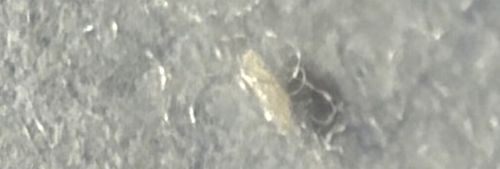
Booklouse (or Psocid)
Liposcelis spp. (Commonly)
- Order & Family
- Order: Psocodea (formerly Psocoptera), Family: Liposcelididae
- Size
- Very small, typically 1 mm to 2 mm in length.
Natural Habitat
Found indoors in damp, warm, and undisturbed areas such as bookshelves, behind wallpaper, in cupboards, or amidst stored food products like flour or grains. They thrive in high humidity.
Diet & Feeding
They feed on microscopic fungi, mold, starch, glues (like those used in book bindings), and stored starchy food products.
Behavior Patterns
Booklice are wingless (in indoor species typically) and run quickly when disturbed rather than flying. Their presence often indicates high moisture levels promoting mold growth.
Risks & Benefits
Risks: Generally harmless to humans and pets (they do not bite or spread disease). However, they can contaminate food stores and may cause allergies in some people due to the accumulation of dead insects or feces. Benefits: They can act as an indicator species for mold or excess humidity problems.