Thrips
Scientific Name: Thysanoptera (Order)
Order & Family: Order: Thysanoptera; Families include Thripidae and Phlaeothripidae
Size: Typically minute, ranging from 0.5 mm to 5 mm in length (usually less than 2mm).
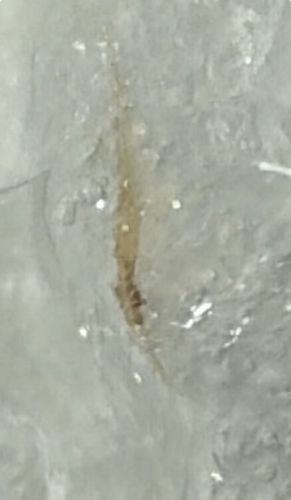
Natural Habitat
Found globally on a wide variety of plants, including flowers, leaves, and bark. They thrive in gardens, greenhouses, and agricultural fields.
Diet & Feeding
Most species are herbivorous, feeding on plant juices by puncturing cells and sucking out the contents. Some feed on pollen, while a few species are predatory, feeding on mites and other small insects.
Behavior Patterns
Thrips are often found in large groups on flowers or leaves. They are weak fliers but can be carried long distances by wind. They undergo incomplete metamorphosis with distinct larval and pupal stages.
Risks & Benefits
Risks: Many species are significant agricultural pests, causing damage to crops by feeding (stippling, silvering of leaves) and by transmitting plant viruses (like Tospoviruses). Benefits: Predatory thrips can beneficial by controlling mite populations.
Identified on: 3/10/2026