
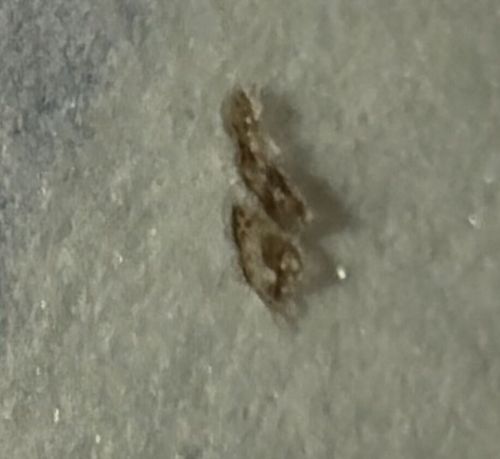
Lace Bug
Tingidae (Complete classification varies by species, e.g., Corythucha ciliata)
- Order & Family
- Order: Hemiptera, Family: Tingidae
- Size
- Typically very small, usually between 3 to 6 millimeters (0.12 to 0.25 inches) in length.
Natural Habitat
Found primarily on the undersides of leaves of deciduous trees and shrubs (specifically sycamore, oak, or azalea depending on species), sometimes falling onto surfaces below.
Diet & Feeding
Herbivorous sap-suckers; they feed by piercing plant cells and sucking out the chlorophyll and cellular fluids.
Behavior Patterns
They tend to cluster on the undersides of leaves, causing a stippling or bleaching effect on the foliage. Adults overwinter in bark crevices or leaf litter and emerge in late spring to lay eggs.
Risks & Benefits
Generally harmless to humans, though they can occasionally land on skin and cause a minor, prickly bite or irritation. They are considered pests to ornamental plants as heavy infestations can cause leaf discoloration and premature leaf drop.