
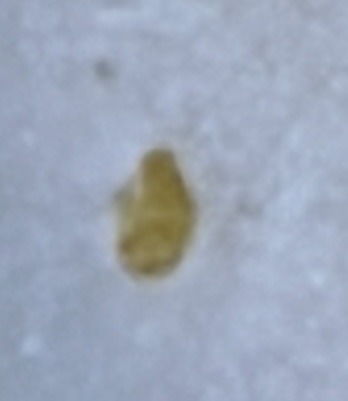
Community identification
Dust Mite
Dermatophagoides pteronyssinus (European house dust mite) or Dermatophagoides farinae (American house dust mite)
- Order & Family
- Order: Sarcoptiformes; Family: Pyroglyphidae
- Size
- Microscopic, approximately 0.2–0.3 mm (0.008–0.012 inches) in length.
Natural Habitat
Typically found indoors in household environments including mattresses, bedding, upholstered furniture, and carpets where human skin scales are present.
Diet & Feeding
Primarily feeds on dander (flakes of dead skin) from humans and pets.
Behavior Patterns
They thrive in humid environments (70% relative humidity or higher) and go through five life stages including egg, larva, protonymph, tritonymph, and adult. They are invisible to the naked eye.
Risks & Benefits
Risks include being a major source of allergens for humans, causing symptoms such as sneezing, runny nose, itchy eyes, and asthma. They provide no significant benefits to the domestic environment.