
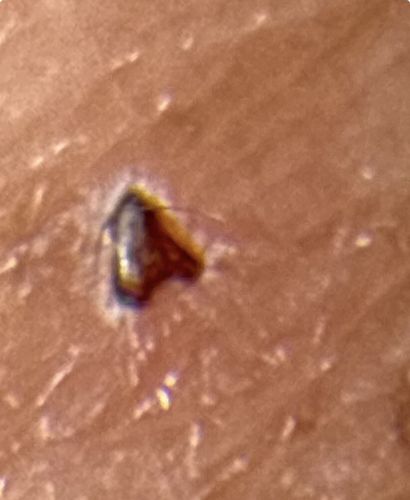
Flea
Siphonaptera (Order)
- Order & Family
- Order: Siphonaptera; Common families include Pulicidae (e.g., Cat flea, Dog flea)
- Size
- Typically 1.5 to 3.3 mm long
Natural Habitat
Found on the bodies of mammals (including cats, dogs, humans) and birds; larvae live in cracks, crevices, carpets, and bedding where organic debris accumulates.
Diet & Feeding
Adults are hematophagous (blood-feeders) on their host organisms; larvae feed on organic debris, including dried blood feces from adults.
Behavior Patterns
Fleas are ectoparasites known for their incredible jumping ability due to powerful hind legs. They have lateral flattening to move easily through fur or feathers. Their life cycle is metamorphic (egg, larva, pupa, adult).
Risks & Benefits
Risks: Their bites cause itching, irritation, and allergic reactions (Flea Allergy Dermatitis). They are vectors for diseases such as plague (Yersinia pestis), murine typhus, and can transmit tapeworms. Benefits: None significant to humans, though they are part of the food web for some predators.