
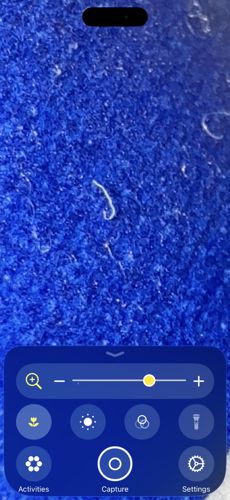
Community identification
Pinworm
Enterobius vermicularis
- Order & Family
- Order: Oxyurida, Family: Oxyuridae
- Size
- Females are 8-13 mm long; males are 2-5 mm long.
Natural Habitat
The human large intestine, particularly the cecum and appendix; eggs are found in soil, dust, or on contaminated surfaces and fabrics.
Diet & Feeding
Feeds on intestinal contents and mucosal secretions within the human host.
Behavior Patterns
Nocturnal migration where female worms travel to the anal area to deposit thousands of eggs; eggs become infectious within hours and cause intense itching (pruritus ani).
Risks & Benefits
Risk: Causes enterobiasis, an intestinal infection characterized by itching and sleep disturbance; highly contagious among household members. Benefit: None.