
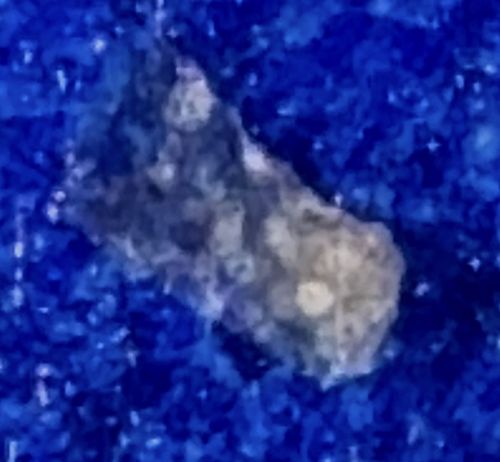
Community identification
Household Casebearer or Plaster Bagworm
Phereoeca uterella / Phereoeca allutella
- Order & Family
- Lepidoptera, Tineidae
- Size
- Larval case length typically between 8 to 13 mm (0.3 to 0.5 inches)
Natural Habitat
Typically found indoors in warm, humid structures. They attach to walls, ceilings, baseboards, and under furniture.
Diet & Feeding
Detritivores that feed on spider webs, old silk, woolen fibers, human hair, lint, and dead insects.
Behavior Patterns
The larva constructs a distinctive flattened, pumpkin-seed-shaped case out of silk, sand, and debris which it carries around. It can retract fully into the shell when threatened. They eventually pupate inside this case.
Risks & Benefits
Risks: Generally harmless to humans but can be considered a household pest requiring removal if numbers are high. They may damage fabrics like wool or silk. Benefits: They consume household debris like cobwebs and old insect skins/parts.