
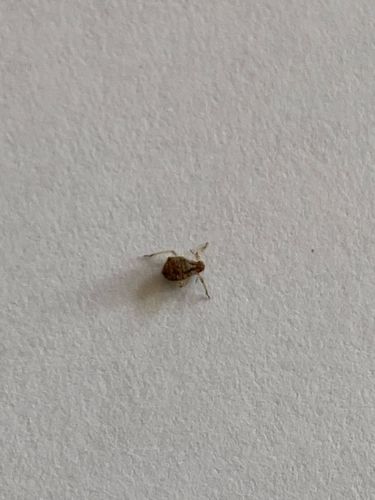
Aphid
Aphididae
- Order & Family
- Order: Hemiptera, Family: Aphididae
- Size
- 1 mm to 10 mm (most are 2-4 mm)
Natural Habitat
Widely distributed on plants, ranging from agricultural fields and gardens to forests and indoor houseplants.
Diet & Feeding
Herbivorous. They use needle-like mouthparts to pierce plant tissue and suck out nutrient-rich phloem sap.
Behavior Patterns
Often found in dense colonies on the undersides of leaves or stems. They have complex life cycles involving both sexual and asexual reproduction (parthenogenesis) and can produce many generations quickly. Some exhibit wings when food sources diminish or populations become too dense.
Risks & Benefits
Risks: Major agricultural and garden pests that cause stunted growth, leaf curling, and the transmission of plant viruses. They secrete 'honeydew' that promotes black sooty mold growth. Benefits: They serve as a vital food source for beneficial insects like ladybugs, hoverflies, and lacewings.