
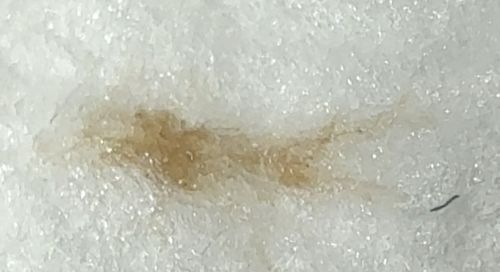
Silverfish (specifically a pale or newly molted individual)
Lepisma saccharinum
- Order & Family
- Order: Zygentoma; Family: Lepismatidae
- Size
- Typically 12–19 mm (0.5–0.75 inches) in length, excluding appendages.
Natural Habitat
Typically found in dark, damp, and cool areas. Common in bathrooms, basements, attics, and kitchens. They often hide in cracks, crevices, behind wallpaper, or in books.
Diet & Feeding
Scavengers that feed on carbohydrates and proteins. They eat paper, glue, book bindings, sugar, flour, rolled oats, dead insects, and even cotton or linen fabrics.
Behavior Patterns
Nocturnal and move with a wiggling motion resembling a fish swimming. This insect is ametabolous, meaning it undergoes simple metamorphosis (they just get bigger as they molt rather than changing form). They can survive for long periods without food.
Risks & Benefits
Risks: They are household pests that can damage books, wallpaper, stored paper goods, and clothing. They can contaminate food but are not known to spread disease or bite humans. Benefits: Generally considered pests, but they act as decomposers in nature.