
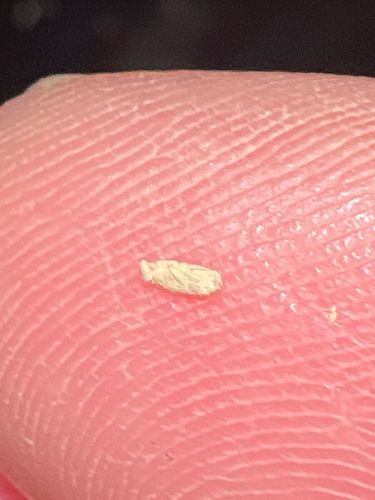
Community identification
Lace Bug
Family Tingidae (genera and species vary)
- Order & Family
- Order: Hemiptera, Family: Tingidae
- Size
- 2 to 10 millimeters (0.08 to 0.4 inches)
Natural Habitat
Found globally on the undersides of leaves in forests, parks, and residential gardens, typically on specific host trees or shrubs.
Diet & Feeding
Strictly herbivorous; they use piercing-sucking mouthparts to feed on the sap (cell contents) from the underside of leaves.
Behavior Patterns
They are move slowly and are often found in clusters. Life cycle includes egg, nymph, and adult stages. They often leave tiny black spots of excrement on the underside of host leaves.
Risks & Benefits
Usually considered a minor garden pest; heavy infestations can cause 'stippling' or yellowing of leaves (chlorosis). They do not bite humans or transmit diseases but can be an aesthetic nuisance for ornamental plants.