
Community identification
Household Casebearer or Plaster Bagworm
Phereoeca uterella
- Order & Family
- Order: Lepidoptera, Family: Tineidae
- Size
- Case length is typically 8-13 mm (0.3-0.5 inches)
Natural Habitat
Typically found indoors in dry, dusty areas such as corners of rooms, baseboards, under furniture, on stucco walls, and in garages. They thrive in high humidity.
Diet & Feeding
Feeds on natural fibers (wool, silk), spider webs, lint, human hair, pet fur, and dead insect parts. They are detritivores.
Behavior Patterns
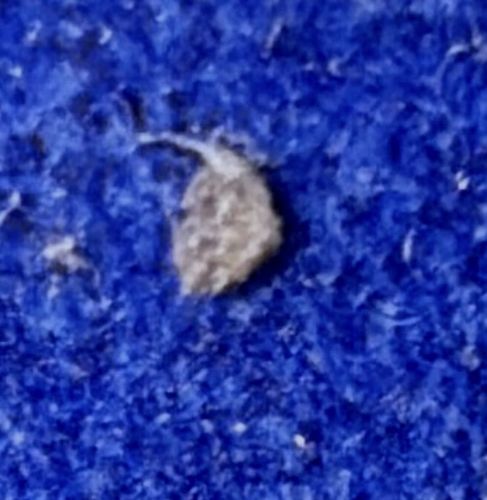
Larvae construct a protective, flattened, almond-shaped case out of silk and debris (sand, soil, lint) which they drag around with them. They retreat inside when threatened. The larva has openings at both ends of the case to feed and move.
Risks & Benefits
Generally considered a harmless household nuisance rather than a health risk. They do not bite or sting humans. However, in large numbers, they can cause minor damage to woolens, rugs, or fabrics.