
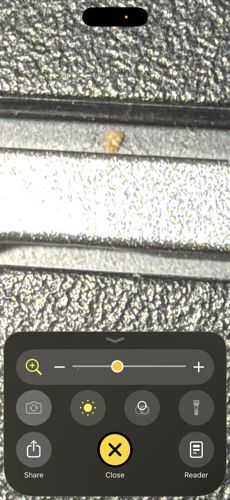
Pharoah Ant (or possibly Ghost Ant/Thief Ant)
Monomorium pharaonis (often confused with Tapinoma melanocephalum or Solenopsis molesta)
- Order & Family
- Order: Hymenoptera, Family: Formicidae
- Size
- Very small; typically 1.5 to 2 millimeters in length.
Natural Habitat
Exclusively indoors in temperate climates, favoring heated buildings, hospitals (due to attraction to fluids), and residential kitchens or bathrooms. They nest in voids, behind baseboards, and inside electrical outlets.
Diet & Feeding
Omnivorous; prefers sweets, syrups, jellies, and cakes, but also eats greasy or fatty substances like meats, dead insects, and grease.
Behavior Patterns
Highly adaptable nesters that form large colonies with multiple queens (polygyny). They practice 'budding,' where a queen and a few workers split from the main colony to start a new one, making traditional baiting difficult if not done correctly. They follow scent trails in lines.
Risks & Benefits
Major nuisance pest. They can contaminate food and sterile equipment. In hospitals, they are a known vector for pathogens like Salmonella and Streptococcus because they can carry germs from waste to sterile environments. They do not sting but can bite if threatened, though their jaws are often too small to break human skin.