
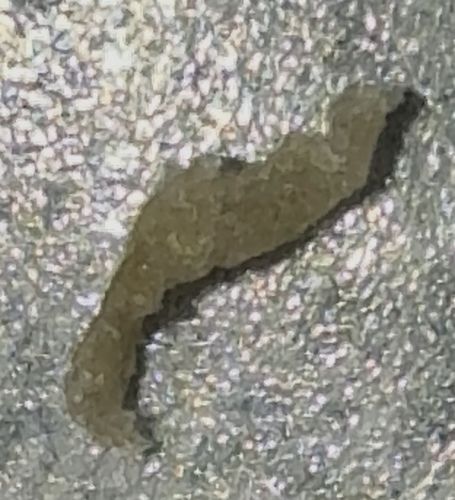
Black Soldier Fly Larva
Hermetia illucens
- Order & Family
- Diptera (Order), Stratiomyidae (Family)
- Size
- Larvae grow from a few millimeters to approximately 27 mm (about 1 inch) in length before pupating.
Natural Habitat
Typically found in decaying organic matter such as compost heaps, manure piles, rotting fruit, and dumpster areas. They thrive in warm and moist environments.
Diet & Feeding
Voracious decomposers that feed on a wide variety of organic waste, including food scraps, animal manure, spirulina, and decaying plant matter.
Behavior Patterns
The larvae undergo several distinct stages (instars) where their primary focus is eating to store fat for adulthood. They are photophobic (light-avoiding) and will burrow into food sources. In the final prepupal stage, they empty their digestive tracts and migrate away from the food source to find a dry, sheltered place to pupate.
Risks & Benefits
Benefits: Highly beneficial for composting; they reduce waste volume significantly, suppress housefly populations, and convert waste into high-protein biomass used as animal feed. Risks: Generally harmless to humans; they are not known vectors of disease and adult flies do not bite or sting. However, in poorly managed compost, high populations can generate excess moisture and heat.