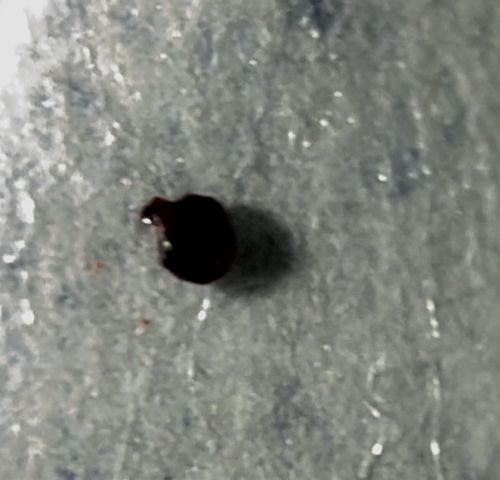
Globular Springtail
Scientific Name: Sminthurus spp. or Dicyrtoma spp. (Sminthuridae/Dicyrtomidae families)
Order & Family: Order: Symphypleona; Family: Sminthuridae or Dicyrtomidae
Size: Very small/tiny, usually between 0.5 mm to 3 mm in length.
Natural Habitat
Typically found in damp environments such as leaf litter, soil rich in organic matter, rotting wood, and sometimes in gardens or houseplants.
Diet & Feeding
Primarily detritivores and fungivores; they feed on decaying plant matter, fungi (mold and mildew), pollen, and sometimes algae.
Behavior Patterns
Known for their ability to jump using a spring-like appendage called a furcula located under their abdomen. They are wingless and often active in humid conditions.
Risks & Benefits
Benefits: They play a crucial ecological role in decomposing organic matter and recycling nutrients into the soil; they can also help control fungal growth. Risks: Generally harmless to humans and pets (they do not bite or sting); occasionally considered a minor nuisance if found in large numbers indoors near moisture sources.
Identified on: 2/11/2026