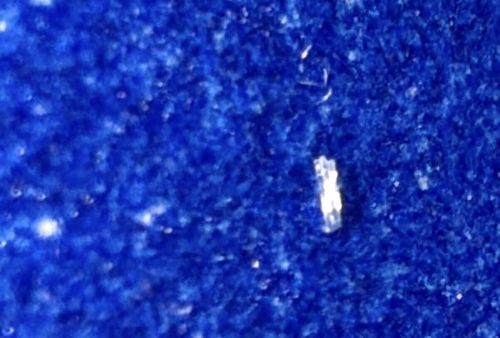
Springtail (specifically resembling an elongate-bodied springtail)
Scientific Name: Collembola (Subclass), specifically Order Entomobryomorpha
Order & Family: Order: Entomobryomorpha; Family: Isotomidae or Entomobryidae
Size: Typically extremely small, ranging from 0.25 mm to 6 mm, often barely visible to the naked eye.
Natural Habitat
Moist environments such as soil, leaf litter, decaying wood, flower pots, and damp areas within homes like bathrooms or basements.
Diet & Feeding
Detritivores and fungivores; they primarily feed on decaying organic matter, bacteria, pollen, and fungal hyphae/spores.
Behavior Patterns
Known for their unique jumping ability using a tail-like appendage called a furcula (though not always visible or present in all species). They thrive in high humidity and are often seen swarming in large numbers on moist surfaces.
Risks & Benefits
Risks: Generally harmless to humans; they do not bite, sting, or transmit disease. They can range from a nuisance in homes to a sign of moisture issues. Benefits: Crucial decomposers in ecosystems, aiding in the breakdown of organic matter and nutrient cycling in soil.
Identified on: 3/10/2026