
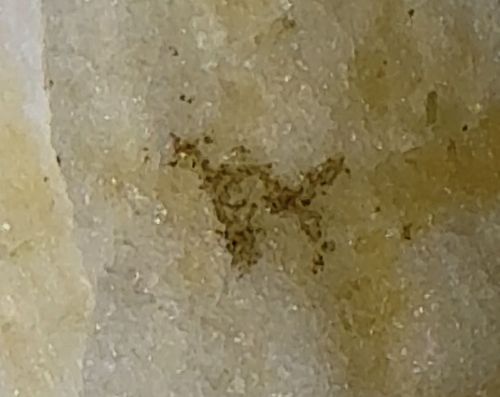
Booklouse (or Psocid)
Liposcelis spp. (Family Liposcelididae)
- Order & Family
- Order: Psocodea (formerly Psocoptera), Family: Liposcelididae
- Size
- Very small, typically 1 to 2 mm in length.
Natural Habitat
Booklice thrive in damp or humid indoor environments. They are commonly found in old books, papers, cardboard boxes, starchy foods (like flour or grains), or areas with mold and mildew growth such as bathrooms and basements.
Diet & Feeding
They feed on microscopic mold, fungi, starch (including book bindings and wallpaper paste), and dead insect fragments. They do not eat wood or bite humans.
Behavior Patterns
Booklice are wingless and run quickly but rather jerkily. They do not fly. They prefer darkness and high humidity. If you find them, it is usually a strong indicator of high moisture levels in that specific area.
Risks & Benefits
Risks: They are nuisance pests that can contaminate stored food products and damage books or paper goods. They can also cause allergic reactions in sensitive individuals. Benefits: In nature, they help decompose organic matter, but inside homes, they offer no direct benefit other than signaling a moisture problem.