Bird Lice (and related chewing/sucking lice)
Scientific Name: Phthiraptera (order name, species varies by host)
Order & Family: Order: Phthiraptera; Families include Philopteridae, Menoponidae, and Pediculidae
Size: 0.5 mm to 10 mm (most are approximately 1-3 mm)
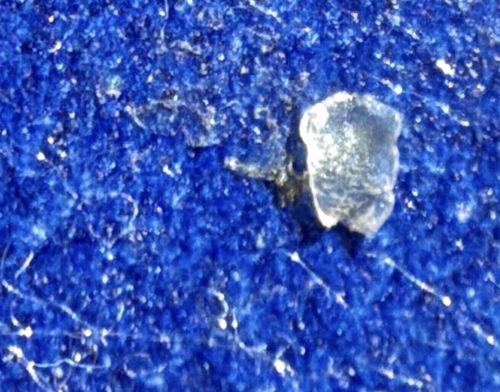
Natural Habitat
Found exclusively on the bodies of warm-blooded hosts, including birds and mammals, often clinging to feathers, fur, or hair.
Diet & Feeding
Depending on the species, they feed on skin debris, feather parts, blood, or sebaceous secretions from the host.
Behavior Patterns
They are wingless, permanent ectoparasites that complete their entire life cycle on the host. They use specialized claws to grip onto the host's coat or plumage and lay eggs (nits) glued to the hair or feathers.
Risks & Benefits
Risks include skin irritation, itching, and secondary infections for the host. While most lice are host-specific and do not pose a direct threat to humans, they are considered pests. There are no known ecological benefits.
Identified on: 3/12/2026