
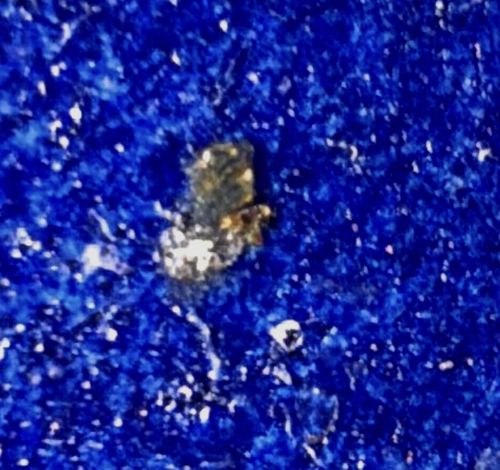
Household Casebearer or Plaster Bagworm
Phereoeca uterella (sometimes referred to as Phereoeca allutella in older literature)
- Order & Family
- Order: Lepidoptera, Family: Tineidae (Clothes Moths)
- Size
- Generally 8 to 13 mm (0.3 to 0.5 inches) in length
Natural Habitat
Commonly found indoors on walls, in corners, on wool rugs, in closets, and underneath furniture. They prefer humid climates and are often seen in garages or basements.
Diet & Feeding
They feed on spider webs (often old ones), wool, hair, lint, dead insects, and other organic debris found in household dust.
Behavior Patterns
The larva constructs a flattened, pumpkin-seed-shaped protective case out of silk and debris (sand, dust, lint). It stays inside this case at all times, dragging it along as it moves. It can feed from either end of the case.
Risks & Benefits
Risks: Generally considered a nuisance pest rather than a major threat. While they can feed on wool and natural fibers, they rarely cause massive damage like nearly invisible clothes moth larvae. Benefits: They can be considered minor cleaners as they eat spider webs and dead insects, though most homeowners prefer not to have them.