
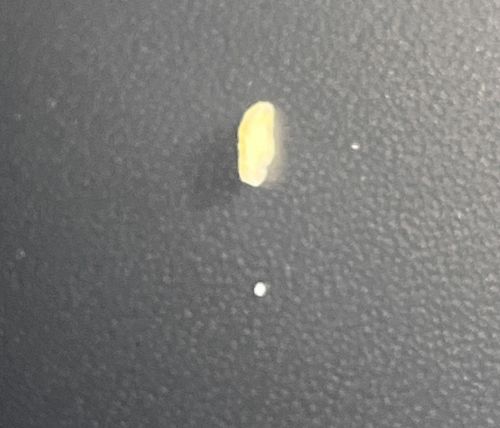
Community identification
Bed Bug Egg
Cimex lectularius
- Order & Family
- Order: Hemiptera, Family: Cimicidae
- Size
- Approximately 1 mm in length: roughly the size of a grain of salt or a pinhead.
Natural Habitat
Indoor environments, specifically in tight crevices of mattresses, bed frames, furniture, and baseboards near human sleeping areas.
Diet & Feeding
The egg itself does not feed. Once hatched, the nymph requires blood meals from warm-blooded hosts, primarily humans, to grow and develop.
Behavior Patterns
Eggs are laid in clusters in secluded areas and are attached to surfaces with a sticky substance. They hatch in about 6 to 10 days depending on temperature. The species is nocturnal and photophobic.
Risks & Benefits
Risks: Once hatched, they are a major indoor pest causing itchy bites, allergic reactions, and significant psychological distress. Benefits: None to humans; they have no known positive role in human-inhabited ecosystems.