
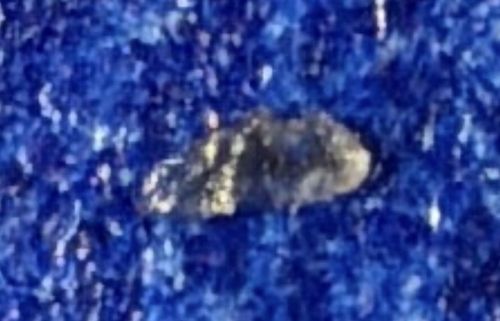
Household Casebearer or Plaster Bagworm
Phereoeca uterella (sometimes referred to as Phereoeca allutella in older literature of similar species)
- Order & Family
- Order: Lepidoptera, Family: Tineidae
- Size
- Larval case is typically about 8-13 mm (0.3-0.5 inches) in length.
Natural Habitat
Commonly found inside homes, especially in humid climates like Florida. They often attach to walls, particularly in corners, under furniture, or on woolens and carpets.
Diet & Feeding
The larvae feed on keratin-rich materials such as wool, hair, fur, and feathers, as well as spider webs, dead insects, and lint.
Behavior Patterns
The larva constructs a flattened, pumpkin-seed-shaped case made of silk and debris (sand, soil, frass) within which it lives. It drags this case around as it moves. The case has openings at both ends, allowing the larva to turn around inside and feed from either end.
Risks & Benefits
They do not bite or sting humans. However, they are considered household pests because they can damage woolen clothing, rugs, and upholstery. Regular vacuuming and reducing humidity can help control them.