Dust Mite
Scientific Name: Dermatophagoides spp. (e.g., Dermatophagoides pteronyssinus or Dermatophagoides farinae)
Order & Family: Order: Sarcoptiformes, Family: Pyroglyphidae
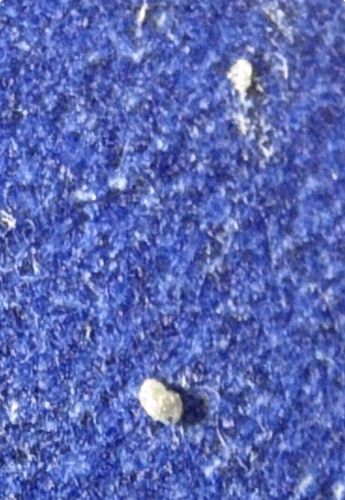
Size: Microscopic, typically measuring 0.2 to 0.3 millimeters in length; usually invisible to the naked eye, appearing only as tiny white specks if clumped or viewed under strong light against a dark background.
Natural Habitat
Found in homes worldwide, specifically thriving in warm, humid environments within mattresses, pillows, carpets, upholstered furniture, and fabric toys where dust accumulates.
Diet & Feeding
They feed primarily on dead skin cells (dander) shed by humans and pets, as well as fungal spores and pollen.
Behavior Patterns
Dust mites do not bite or sting. They are scavengers that prefer darkness and high humidity (above 50%). Their populations can grow rapidly in unwashed bedding.
Risks & Benefits
Risks: A major source of indoor allergens. Their feces and decaying body parts contain proteins that can trigger allergic reactions and asthma attacks in sensitive individuals. Benefits: They play a minor ecological role in breaking down organic waste (skin cells), though this is negligible compared to the allergic issues they cause in homes.
Identified on: 2/25/2026