
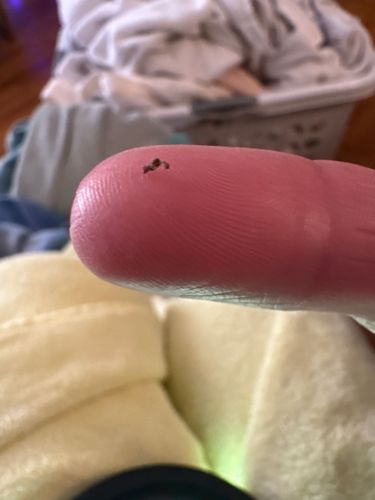
Community identification
Lace Bug
Family Tingidae (genera vary by host plant, e.g., Corythucha)
- Order & Family
- Order Hemiptera; Family Tingidae
- Size
- 2 to 8 mm (approximately 1/8 to 1/3 inch)
Natural Habitat
Found on the undersides of leaves of various trees and shrubs, including oak, sycamore, and azalea.
Diet & Feeding
Herbivorous; they use piercing-sucking mouthparts to feed on the sap of host plants.
Behavior Patterns
They are often identified by their rectangular, lace-like wing covers. They exhibit incomplete metamorphosis (egg, nymph, adult) and often leave behind dark varnish-like spots of excrement on leaves.
Risks & Benefits
Generally harmless to humans, though they can occasionally give a minor, itchy bite if they land on skin. They are agricultural/horticultural pests that can cause leaf yellowing or 'stippling' on plants.