
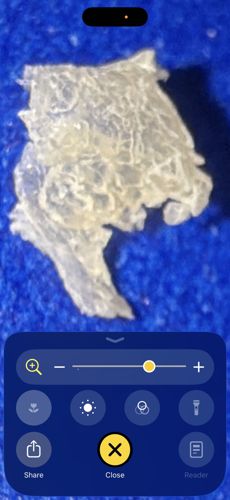
Community identification
Lace Bug
Stephanitis spp. (likely)
- Order & Family
- Order: Hemiptera, Family: Tingidae
- Size
- 2 mm to 8 mm (typically about 3-5 mm)
Natural Habitat
Found on the undersides of leaves of various host plants, including azaleas, rhododendrons, and shade trees.
Diet & Feeding
Herbivorous. They use piercing-sucking mouthparts to feed on plant juices (chlorophyll) from leaf cells.
Behavior Patterns
Lace bugs are known for their distinctive rectangular, lace-like wing covers. They typically live their entire lives on the underside of a leaf, laying eggs along the midrib and leaving behind dark spots of excrement as they feed.
Risks & Benefits
Risks: They are significant garden and ornamental pests that cause 'stippling' or yellowing of leaves, which can lead to premature leaf drop and plant stress. Benefits: They serve as a food source for generalist predators like ladybugs and lacewings.