
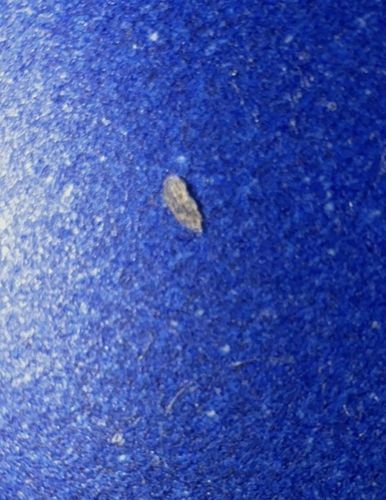
Household Casebearer (often colloquially called a Plaster Bagworm or clothes moth larva)
Phereoeca uterella (sometimes referred to as Phereoeca allutella in older texts)
- Order & Family
- Order: Lepidoptera, Family: Tineidae
- Size
- Approximately 8 to 13 mm (0.3 to 0.5 inches) in length as a larva inside the case.
Natural Habitat
Typically found indoors in high-humidity areas, often on walls, baseboards, under furniture, or inside garages and closets. They are especially common in tropical and subtropical climates, such as Florida or Southeast Asia.
Diet & Feeding
Detritivores. They feed on old spider webs, wool, hair, dead insects, lint, and sometimes natural fibers in carpets or clothing.
Behavior Patterns
The larva constructs a flattened, pumpkin-seed-shaped protective case out of silk and fiber debris, which it drags around as it moves. The larva is distinct in that the case has an opening at both ends, allowing the larva to turn around inside and feed from either side without leaving the shell.
Risks & Benefits
Risks: Generally considered a nuisance pest rather than dangerous. They do not bite or sting, but they can damage woolen clothing or rugs if infestations are heavy. Benefits: They clean up minor organic debris like spider webs and dead insects in the home.