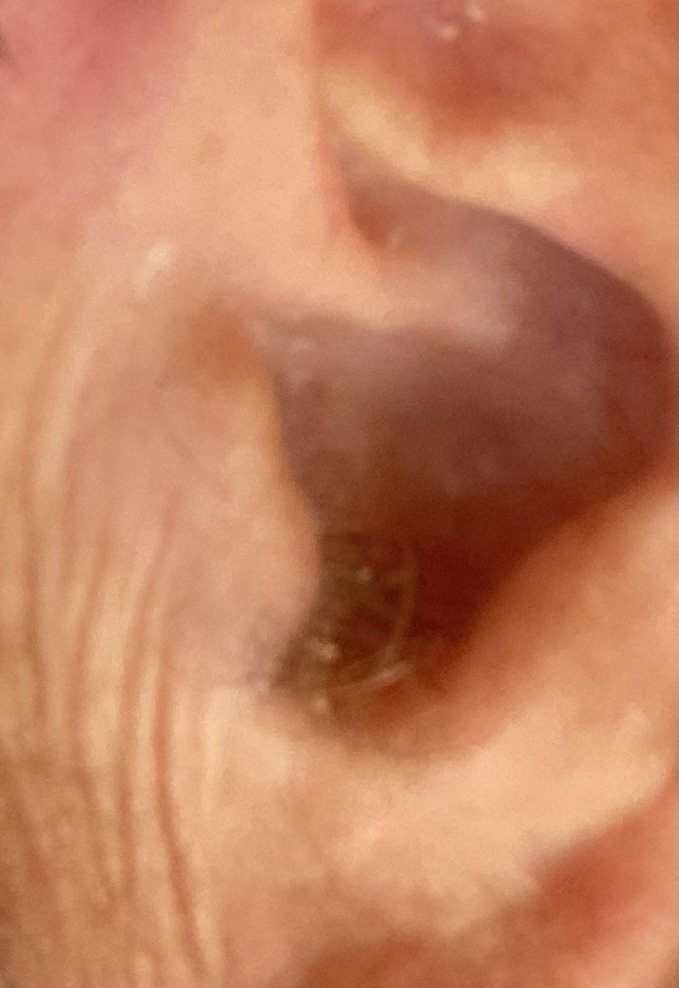
Ear Tick
Scientific Name: Otobius megnini
Order & Family: Order: Ixodida, Family: Argasidae
Size: Nymphs are 5-10 mm; adults are slightly larger.
Natural Habitat
Arid and semi-arid regions; typically found in the ear canals of hosts or in soil/crevices of livestock pens and stables.
Diet & Feeding
Larvae and nymphs feed on the blood and lymph of hosts (primarily livestock, wildlife, and occasionally humans). Adults do not feed.
Behavior Patterns
Unlike hard ticks, they complete their larval and nymphal stages on a single host, often remaining in the ear for several months before dropping to the ground to molt into non-feeding adults.
Risks & Benefits
Causes irritation, inflammation, and potential secondary infections in the ear (Otitis externa); can cause extreme discomfort or hearing issues in humans and significant distress in livestock.
Identified on: 6/2/2026