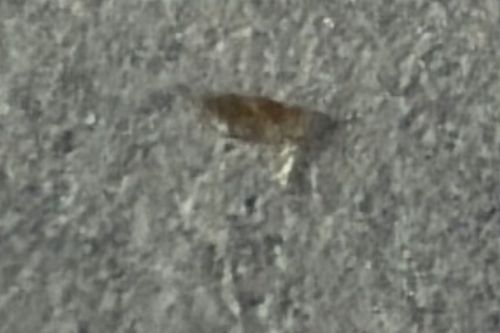
Springtail (specifically, likely an Elongate-bodied Springtail)
Scientific Name: Order Entomobryomorpha (within Collembola)
Order & Family: Order: Entomobryomorpha; Family: Entomobryidae
Size: Very small, typically 1 to 3 mm in length (rarely up to 6mm, though often microscopic).
Natural Habitat
Damp environments rich in organic matter. Frequently found in leaf litter, soil, under bark, and sometimes indoors in bathrooms, basements, or on windowsills where moisture accumulates.
Diet & Feeding
Detritivores and fungivores; they primarily feed on decaying plant material, fungal spores, pollen, algae, and bacteria found in soil or damp surfaces.
Behavior Patterns
Named 'springtails' due to their furcula (a specialized forked tail-like appendage) which can snap against the ground, launching them into the air to escape predators. They often swarm in large numbers when conditions are moist.
Risks & Benefits
Benefits: Essential for ecosystem health as decomposers that help recycle nutrients in the soil. Risks: Generally harmless to humans and pets; they do not bite, sting, or transmit diseases. They can be a nuisance pest indoors if moisture levels are high, but cause no structural damage.
Identified on: 3/7/2026