
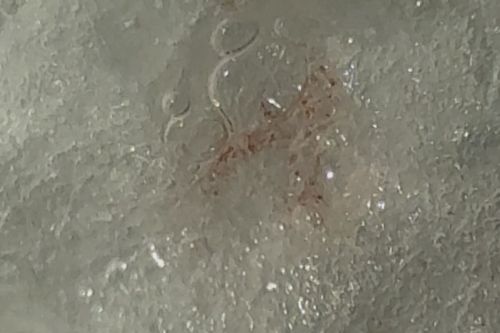
Velvet Mite (Trombidiidae)
Trombidiidae (Family)
- Order & Family
- Trombidiformes; Trombidiidae
- Size
- Typically 1 to 5 millimeters, making them one of the larger mite families, though still very small.
Natural Habitat
Found worldwide in litter layers of woodlands, grasslands, and gardens. They often emerge onto surfaces like sidewalks, patios, and walls during early spring or after rain.
Diet & Feeding
Adults are predatory, feeding on insect eggs and small invertebrates (like other mites or aphids). Larvae are parasitic, often attaching to other insects and arachnids.
Behavior Patterns
Known for their bright red color, which warns predators of their bad taste. They are active hunters as adults but act as ectoparasites on insects during their larval stage. They are often seen wandering rapidly on stone or soil surfaces on sunny days.
Risks & Benefits
Generally harmless to humans and pets (they do not bite humans or transmit disease). They are considered beneficial in gardens as biological control agents because the adults eat insect pests like aphids.