Ringworm (Tinea)
Scientific Name: Tinea corporis (and other variants like Tinea pedis, Tinea cruris)
Order & Family: Order: Onygenales, Family: Arthrodermataceae
Size: Varies significantly; lesions can range from a few millimeters to several centimeters in diameter.
Natural Habitat
Warm, moist environments; thrives on keratinized tissues such as skin, hair, and nails of humans and animals.
Diet & Feeding
Parasitic fungi (dermatophytes) feed on keratin, a protein found in the outer layer of skin, nails, and hair.
Behavior Patterns
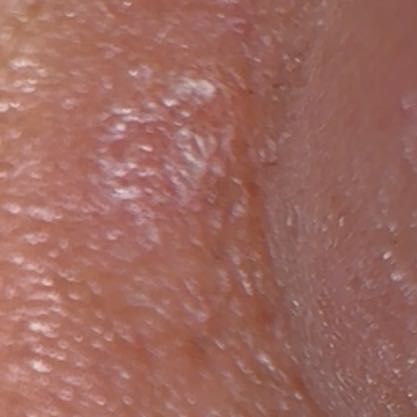
Spreads radially, creating a distinctive ring shape with a clear center and a raised, scaly, or bumpy red border. It reproduces via spores found in soil, on animals, or on infected human skin.
Risks & Benefits
Risks: Highly contagious; causes itching, burning, discomfort, and visible red rashes; can lead to secondary bacterial infections if scratched. Benefits: None; it is a parasitic fungal infection.
Identified on: 2/23/2026