
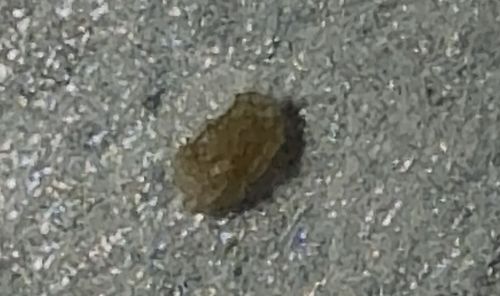
Community identification
Household Casebearer (often referred to as Plaster Bagworm)
Phereoeca uterella
- Order & Family
- Lepidoptera, Tineidae
- Size
- Case length usually ranges from 8 to 13 mm (approx. 0.3 to 0.5 inches).
Natural Habitat
Typically found indoors on walls, especially in areas with high humidity like bathrooms or garages, as well as outdoors on exterior walls protected from wind and rain.
Diet & Feeding
The larva feeds on spider webs, old insect skins, wool, hair, and other keratin-containing materials.
Behavior Patterns
The larva constructs a protective, flattened, pumpkin-seed-shaped case out of silk and debris (sand, soil, frass) that it carries around. It can extend its head and legs from either end of the case to move or feed.
Risks & Benefits
Generally harmless to humans (does not bite or sting). Considered a minor household pest because they can damage woolen fabrics, though they often feed harmlessly on cobwebs and dust bunnies. They are more of a nuisance than a serious threat.