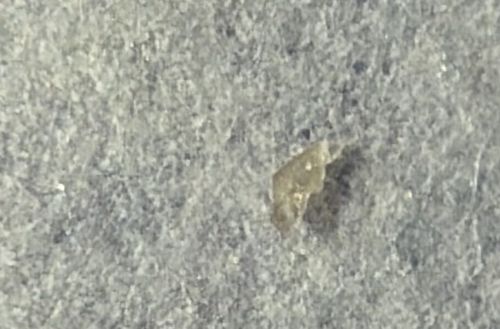
Book louse (or Psocid)
Scientific Name: Liposcelis spp. (Liposcelididae family)
Order & Family: Order: Psocodea (formerly Psocoptera), Family: Liposcelididae
Size: Very tiny, usually less than 1 mm to 2 mm in length.
Natural Habitat
Typically found in damp, humid environments indoors, including bookshelves, window sills, stored food containers (flour/grains), and around wallpaper. They thrive in humidity levels above 50%.
Diet & Feeding
They feed on microscopic molds, fungi, starch, glues (like book bindings), and stored grains or cereals.
Behavior Patterns
Book lice are flightless and move in quick, jerky spurts. They do not bite humans or animals. They reproduce rapidly in high-humidity environments via parthenogenesis (females can reproduce without fertilization).
Risks & Benefits
Risks: They are considered nuisance pests rather than dangerous threats; they can contaminate stored food products and may trigger allergies in sensitive individuals. Benefits: They essentially act as a cleanup crew for microscopic mold, indicating moisture issues in a home.
Identified on: 3/11/2026