
Community identification
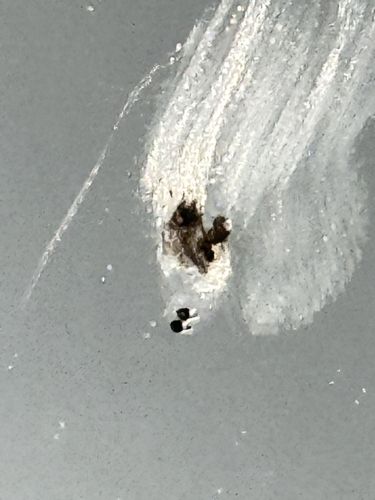
Plaster Bagworm (Household Casebearer)
Phereoeca utericella
- Order & Family
- Order: Lepidoptera, Family: Tineidae
- Size
- The protective case is usually 8–13 mm in length, while the larva inside is smaller.
Natural Habitat
Typically found inside residential homes, specifically on walls, floors, and under furniture where dust and spider webs accumulate.
Diet & Feeding
The larvae feed on wool, silk, hair, human hair, spider webs, and organic debris found in dust.
Behavior Patterns
The larva constructs a flattened, spindle-shaped case from silk and atmospheric debris. It can pull its head and legs inside for protection and can turn around within the case to emerge from either end. They are often seen crawling slowly up light-colored walls.
Risks & Benefits
They do not bite or transmit disease, but are considered household pests because they can damage natural fiber fabrics, carpets, and clothing. They provide a minor benefit by consuming old spider webs.