
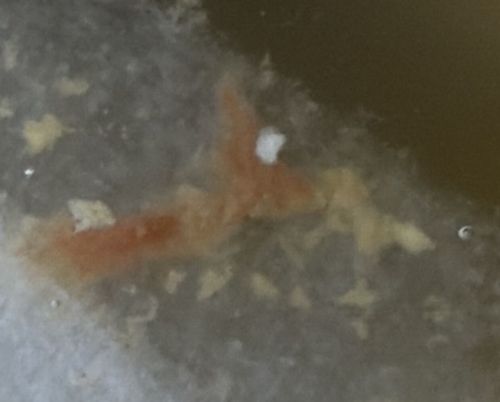
Bloodworm (Midge Fly Larva)
Chironomidae (Family)
- Order & Family
- Order: Diptera, Family: Chironomidae
- Size
- Typically 0.5 to 1 inch (12 to 25 mm) in length.
Natural Habitat
Found in aquatic environments, especially stagnant or slow-moving water with low oxygen levels. They often dwell in the sediment of ponds, marshes, and even bird baths or water troughs.
Diet & Feeding
Detritivores; they feed on organic debris, algae, and microorganisms found in the sediment or water.
Behavior Patterns
They are the larval stage of non-biting midge flies. Their distinctive bright red color comes from hemoglobin, which allows them to survive in oxygen-poor environments where other insects cannot. They move with a thrashing motion.
Risks & Benefits
Benefits: They act as a crucial food source for fish, amphibians, and other aquatic life; their presence can indicate water quality issues (low oxygen). Risks: Generally harmless to humans; the adult flies do not bite but can be nuisance pests in large swarms. Some people may develop allergic reactions to dried larvae (often used as fish food).