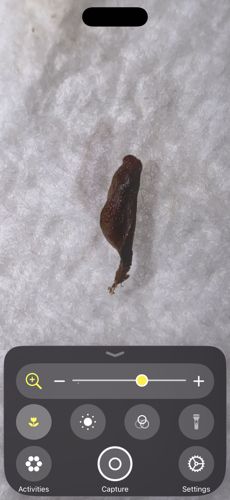
Leech
Scientific Name: Hirudinea
Order & Family: Order: Arhynchobdellida/Rhynchobdellida, Family: Various (e.g., Hirudinidae, Erpobdellidae)
Size: Typically ranges from 1 cm to 30 cm in length depending on the species and level of engorgement.
Natural Habitat
Found primarily in freshwater environments like ponds, lakes, and slow-moving streams, though some species are terrestrial or marine.
Diet & Feeding
Depending on the species, leeches are either predatory (eating small invertebrates) or parasitic (feeding on the blood of vertebrates and invertebrates).
Behavior Patterns
Leeches are hermaphroditic and move using an 'inchworm-like' crawling motion or by swimming. They use suckers at both ends of their body to attach to surfaces or hosts.
Risks & Benefits
While their bites are usually painless due to anesthetic saliva, they can cause prolonged bleeding and occasional infections. Beneficially, medicinal leeches are used in modern surgery to improve blood flow in skin grafts and reattached limbs.
Identified on: 12/28/2025