
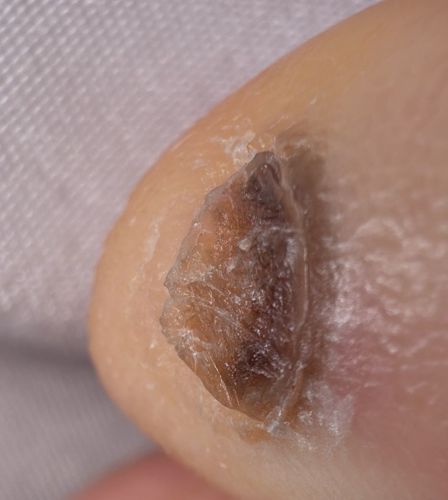
Jigger Flea, Chigoe Flea, or Sand Flea
Tunga penetrans
- Order & Family
- Order: Siphonaptera, Family: Tungidae
- Size
- Approximately 1 mm in length. When the female burrows into skin and becomes engorged with eggs, she can expand to the size of a pea (up to 1 cm).
Natural Habitat
Found in tropical and sub-tropical climates, particularly in Central and South America, the Caribbean, and sub-Saharan Africa. They thrive in dry, sandy soil, beaches, stables, and stock farms.
Diet & Feeding
Both males and females feed on the blood of warm-blooded hosts, including humans, dogs, cats, pigs, and cattle. Unlike other fleas, the female burrows permanently into the skin to feed.
Behavior Patterns
The most distinct behavior is that of the fertilized female, which burrows head-first into the host's skin, leaving only her abdominal posterior exposed for breathing and defecation. Once embedded, she swells with eggs, causing intense irritation. After expelling the eggs into the environment, the female dies and typically falls off.
Risks & Benefits
Risks: This flea causes Tungiasis, a parasitic skin disease. The infestation causes severe itching, pain, and inflammation. If left untreated, secondary bacterial infections (like gangrene or tetanus) can occur, potentially leading to loss of digits or even death in severe cases. Benefits: None known; it is a significant parasitic pest.