
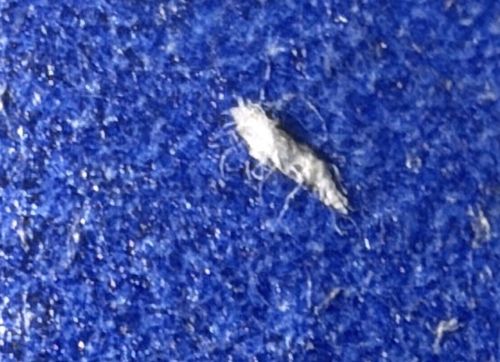
Plaster Bagworm (or Household Casebearer)
Phereoeca uterella
- Order & Family
- Lepidoptera (Order) / Tineidae (Family)
- Size
- Larval case is usually 6–13 mm (0.25–0.5 inches) long.
Natural Habitat
Typically found indoors in humid climates, often seen on walls (especially stucco or plaster), baseboards, and in closets. They prefer dark, undisturbed corners.
Diet & Feeding
They feed on spider webs, old insect collection remains, wool, human hair, pet fur, and other keratin-rich fibers. They act as scavengers of organic detritus.
Behavior Patterns
The larva constructs a distinctive flattened, pumpkin-seed-shaped protective case out of silk and gathered debris (sand, soil, fibers). It drags this case around as it moves. Before pupating, they attach their case to a vertical surface.
Risks & Benefits
Risks: Generally considered a minor household pest. While they do not bite humans, large infestations can cause minor damage to woolens, silks, or natural fiber rugs. Benefits: None significant other than cleaning up small amounts of organic debris.