House dust mite
Scientific Name: Dermatophagoides pteronyssinus / Dermatophagoides farinae
Order & Family: Order: Sarcoptiformes, Family: Pyroglyphidae
Size: 0.2–0.3 mm in length
Natural Habitat
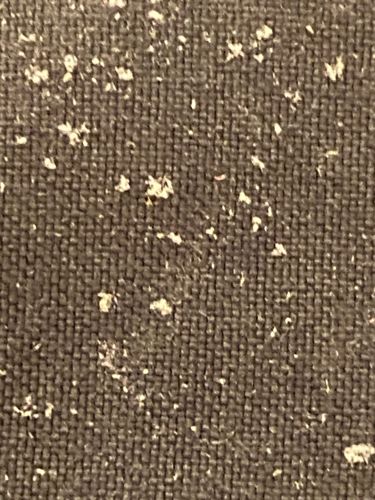
Indoor environments, specifically fibrous materials like mattresses, pillows, carpets, and upholstered furniture.
Diet & Feeding
Primary diet consists of skin scales (dander) shed by humans and pets, as well as some mold.
Behavior Patterns
They thrive in warm, humid conditions (65-80% humidity). They are microscopic and photophobic, meaning they move away from light into deep fibers.
Risks & Benefits
Major risk: Their waste products (feces) and exoskeletons contain proteins that are potent allergens, causing asthma, eczema, and allergic rhinitis in sensitive individuals. They offer no known benefits to the ecosystem.
Identified on: 3/5/2026